

GNGregory NguyenStart a conversation ↗
Menu
ObservatoryProof roomArchiveVoicesContact

Engineer’s lensInvestor’s patience

Systemschange.Value endures.

Gregory Nguyen explores the architecture of money, technology, and long-duration opportunity.

01 / Evidence02 / Optionality03 / Long memory
Hard assets.Clear thinking.Independent perspective since 2011

00 / The thesis

Money is technology.
Trust is the protocol.

The most important shifts rarely arrive wearing a label. They emerge where incentives, engineering, and human behavior collide.

Study the architecture. Trace the incentives. Respect the cycle. Stay humble about what cannot be known.

01 / The value observatory

Change the
question.

There is no universal “best asset.” There are only architectures, tradeoffs, and the problem you are trying to solve.

A guided framework for better conversations

Choose a lens

03 / Readout Framework, not a quote

The digital bearer asset

Bitcoin

Open settlement protocol designed for a 10 years frame, viewed through an elevated inflation lens.

Current operating lensAccept operational work for more direct control.

Every architecture creates a different responsibility. The useful question is not “what wins?” but “what problem am I actually solving?”

Supply logicProgrammatic 21M cap
SettlementPeer-to-peer network
Ownership workKeys, devices, recovery, counterparties
Keep watchingDrawdowns, security, regulation, market structure

Educational framework only. This tool does not provide individualized investment, tax, or legal advice. Prices, liquidity, regulation, and outcomes change.

Signal / A change in perspective

Take the
orange pill.

Not a prescription. A prompt to look closer at the system beneath the price tag—and ask what digital scarcity, open settlement, and self-custody make possible.

Enter the Bitcoin field guide ↗A metaphor for first-principles thinking. Educational content only.
A person taking a fictional glowing orange capsule, symbolizing a new perspective on Bitcoin and money
One question can change the frame.

01 / The monetary atlas

Three stores
of attention.

One question, three architectures: how does a person preserve optionality through changing monetary regimes?

I

6,000 years of monetary memory

Gold

The asset with no issuer.

Scarcity, durability, and global recognition make gold a reference point when confidence in institutions shifts.

CounterweightNo cash flow · custody costs · price volatility
Open the complete field guide ↗
II

Monetary history meets industrial demand

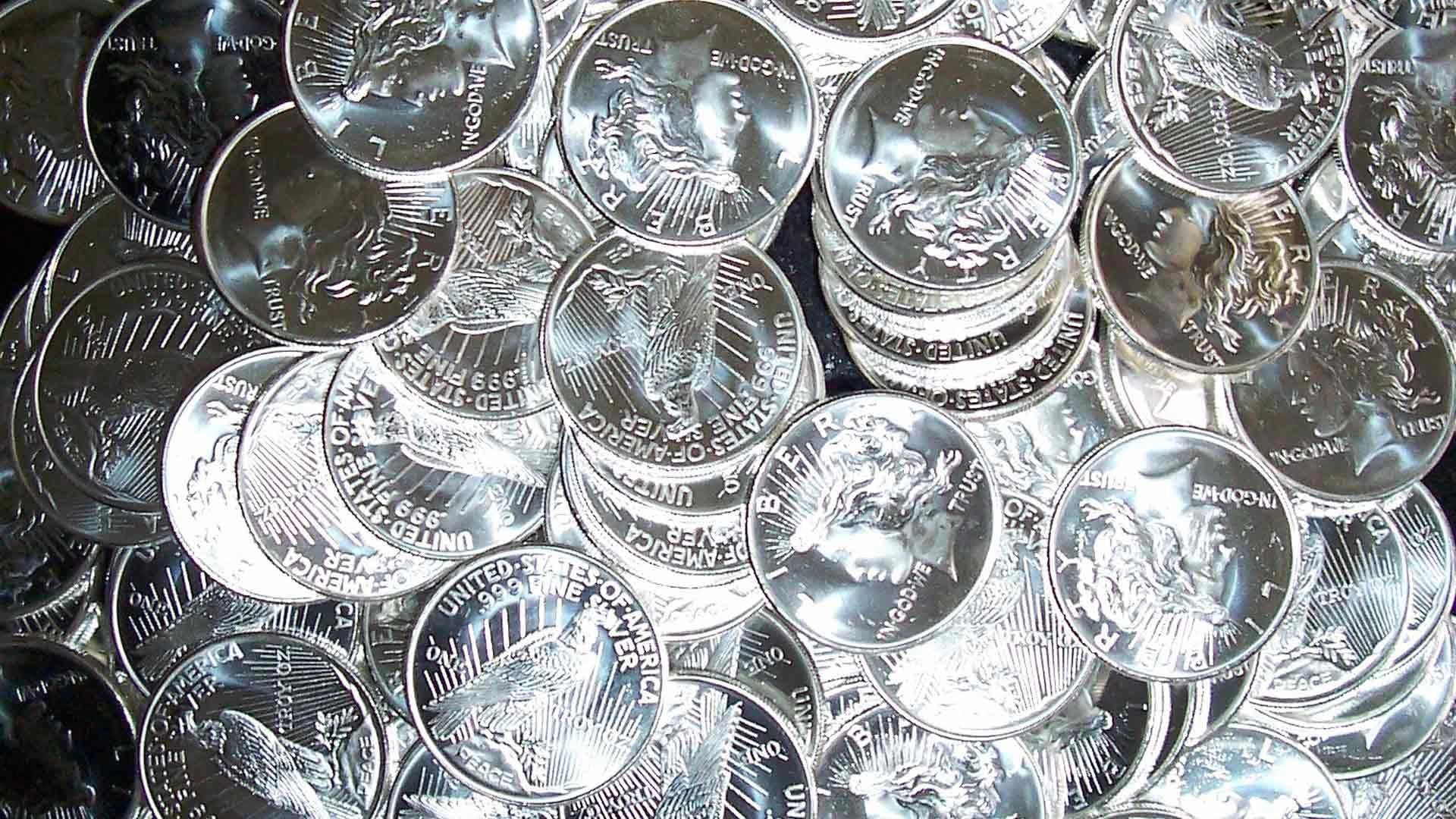
Silver

The metal with two lives.

A tangible monetary asset woven through electronics, energy, medicine, and modern manufacturing.

CounterweightSmaller market · wider swings · heavier custody
Open the complete field guide ↗
III

Verifiable scarcity for a networked age

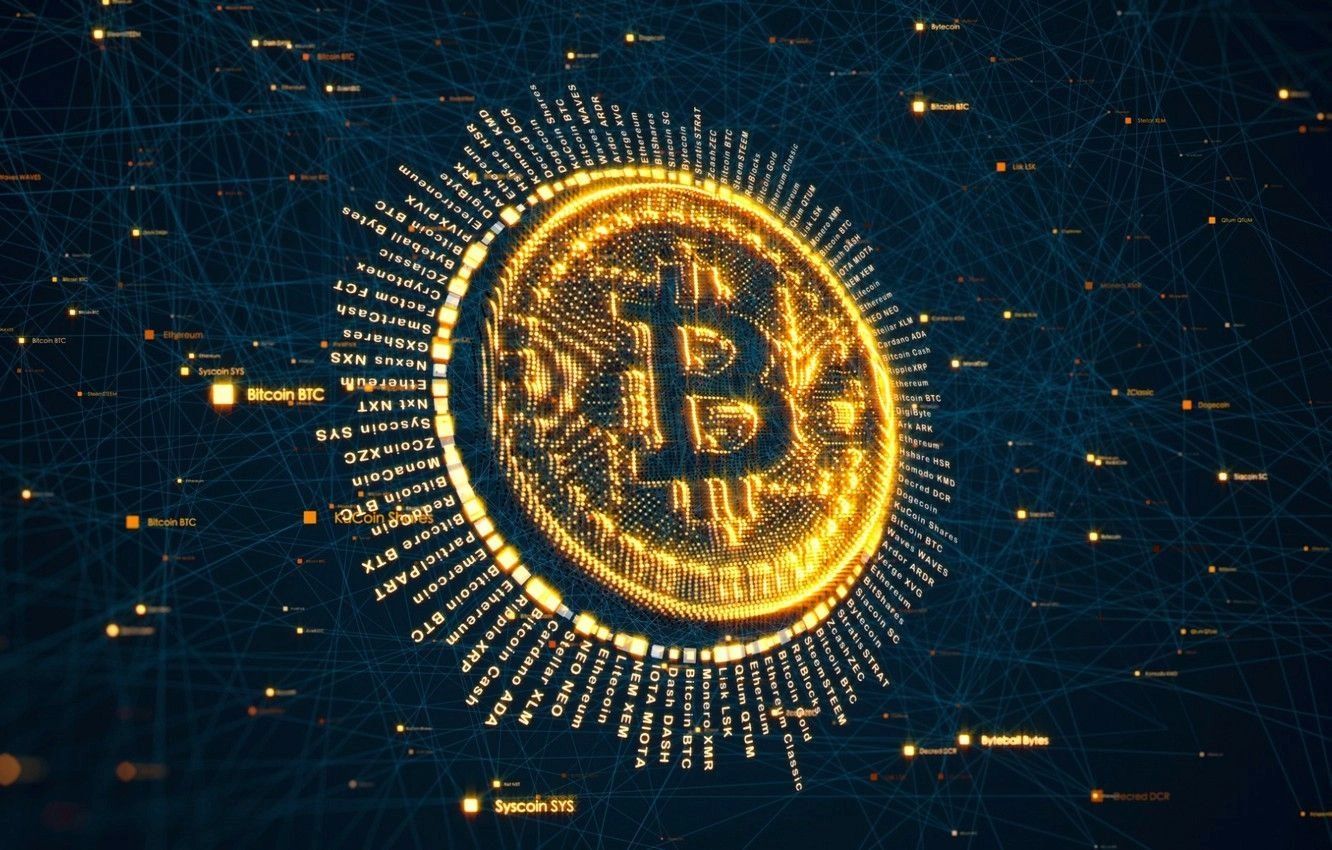
Bitcoin

The bearer asset made digital.

A borderless, fixed-supply protocol that changes what ownership, settlement, and financial sovereignty can mean.

CounterweightDrawdowns · security · regulation · operational risk
Open the complete field guide ↗

These lenses are educational—not personal recommendations. Every asset carries meaningful risk, including loss of principal.

Signal / noise

“Conviction should be earned through evidence—and held with enough humility to survive new evidence.”
Gregory Nguyen · operating principle

02 / Public record

Trust should
be inspectable.

Credibility is stronger when it can be verified outside a personal website. Follow the work. Check the sources.

01

Engineer first

Electrical and computer engineering at UC Santa Barbara; defense radar, electronics, and semiconductor systems.

02

Hard-asset thesis

A long study of gold, purchasing power, and the architecture of monetary systems begins.

03

Bitcoin, in public

Early public writing explores the design and implications of a radically new monetary network.

04

Across the frontier

Private markets, digital assets, biotechnology, and capital strategy—still viewed through first principles.

04 / Search the archive

Find the
original signal.

Six starting points from a larger public record. Search by subject, then leave the site to read the original source in full.

05 / In their words

Trust has
a human face.

Selected comments from the complete historical archive. Titles reflect the source and may have changed.

“
“Greg is very knowledgeable and made me feel like I was his only customer and a top priority.”
Michael CaldwellChief Software Architect, CSID
“
“He really knows his metals and pays close attention to markets, offering comparisons across their history.”
Adam BorgerApplication Sales Executive, Oracle
“
“I trust and appreciate his help.”
David Starkey, DCClient testimonial
“
“I vouch for his good character and ability to conduct business in an honest and direct manner.”
Jonah TashjianFounder, Tashjian & Company

06 / The standard

Useful before
impressive.

  1. 01
    Separate fact from thesis

    Sources, assumptions, and opinions should never blur together.

  2. 02
    Name the downside

    A credible case gets stronger when failure modes are visible.

  3. 03
    Prefer long memory

    Public timestamps keep hindsight honest.

  4. 04
    Own the decision

    Education sharpens judgment. It cannot outsource responsibility.

07 / The private briefing

Bring a
hard question.

Precious metals, Bitcoin, private markets, or technology strategy—context first, conclusions second. Leave with a clearer frame and a better question.

Request a briefing ↗310 600 8576